The short answer
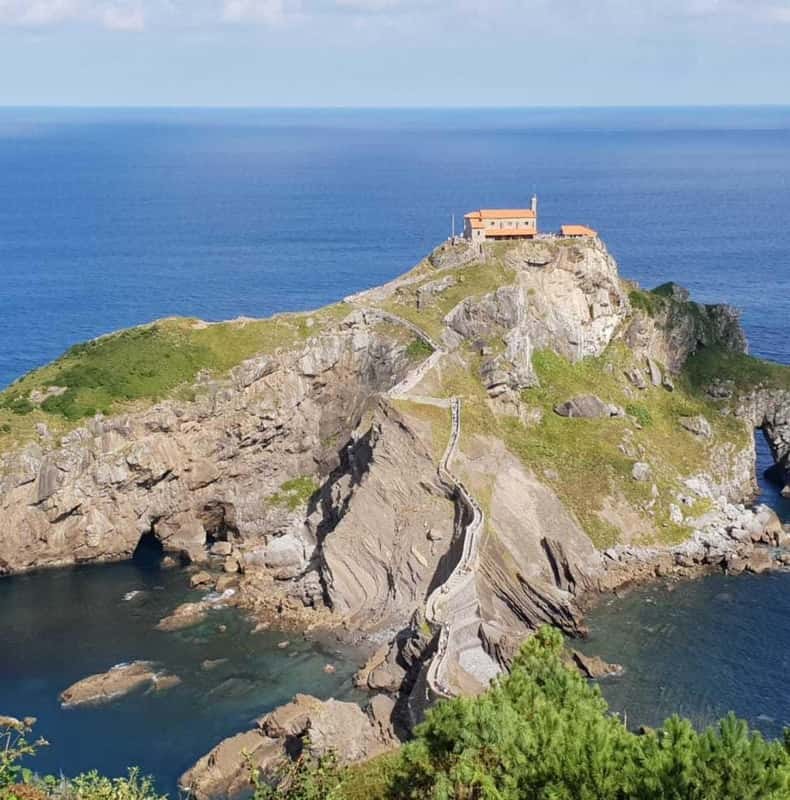
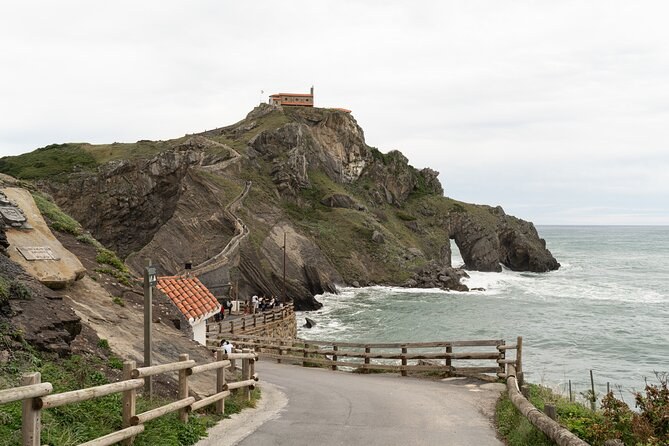
Children manage the 241 steps far better than their parents expect — the staircase is short, the handrails are good, and the switchbacks break it into pieces. The real test is the 1.1 km climb back up to the road afterwards. Pick a trip with private transport and hotel pick-up, go first thing, and treat the bridge as a perfectly good turning point.
Can children do the climb?
Most can, and plenty do. The staircase is stone, it turns constantly, and the landings give natural stopping points every few minutes. Children who are happy on stairs at home are generally happy here, and the bell at the top is a genuinely good reward to walk towards.
What catches families out is the return. The steps are the exciting part; the 1.1 km uphill walk back to the road afterwards is the part that produces the tears. Plan for it rather than being surprised by it.
The age question, honestly
| Age | The steps | The return climb | What helps |
|---|---|---|---|
| Under 4 | Carried | Carried | A carrier, not a pushchair |
| 4 to 7 | Manageable with breaks | The hard part | Snacks, and time in hand |
| 8 to 11 | Usually fine | Fine at their own pace | Their own water bottle |
| 12 and over | Fine | Fine | Every trip is open to them |
A pushchair is not workable on the staircase and awkward on the path, so a carrier is the answer for the smallest children. One small-group walk on this coast is restricted to over-12s, and its listing says so plainly.
Which trips suit a family day
- Private transport and hotel pick-up removes the two worst moments of the day: the walk to a meeting point at eight in the morning, and the wait afterwards.
- Six hours rather than ten matches a child's appetite for a day out better than a full coast run does.
- Two hours on the headland means you can go at their pace instead of somebody else's.
- A stop with free time gives everyone lunch and a sit down.
compare every Gaztelugatxe tour on exactly those points, and the questions page answers the family ones directly.
Timing the day around them
The first slot of the morning is worth more with children than without. The staircase is quiet, so nobody is squeezing past on a narrow flight. It is cooler, which matters on the return climb. And you are back for lunch rather than pushing through it.
What to bring
- Water for each child, carried by them if they are old enough.
- Proper shoes. Grip matters more than brand on worn stone.
- A snack for the return climb, which is when it will be needed.
- A wind layer, because the summit is exposed even on a warm day.
- A carrier for under-fours rather than a pushchair.
What children actually enjoy here
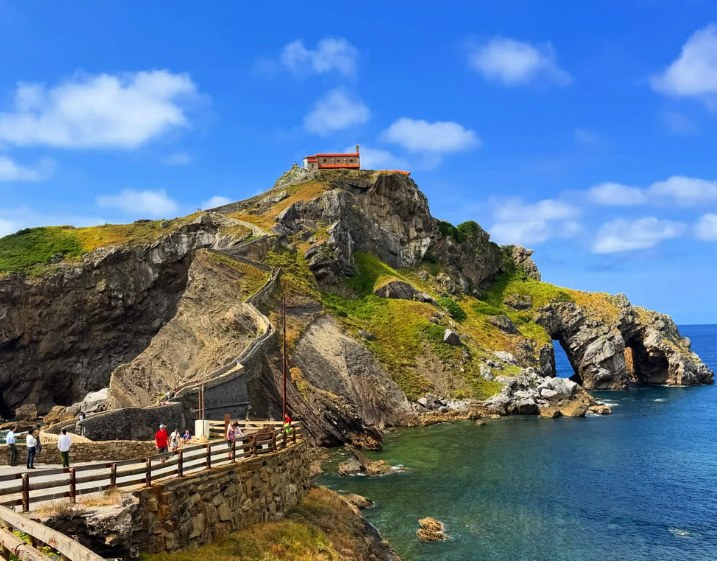
The bell, first. Ringing it three times is a rule with a story attached, and that lands better than any view. After that: counting the steps out loud, spotting the sea arch cut through the cliff on the right, and finding the tiled plaque of the saint on the chapel wall. The facts page has enough numbers to turn the walk into a quiz.
The one thing worth spending money on
Private transport, every time. It is the difference between a day that runs on somebody else's schedule and one that stops when a child needs it to. On a coach the group reassembles at a fixed time, and a family that is ten minutes behind is a family being waited for.
Everything else is negotiable. Lunch can be carried, commentary can be read beforehand, and the permit comes with the booking either way. The vehicle is the part that changes how the whole day feels, and it costs less than the difference between the cheapest and the most expensive trips on the coast.
If the steps are a step too far
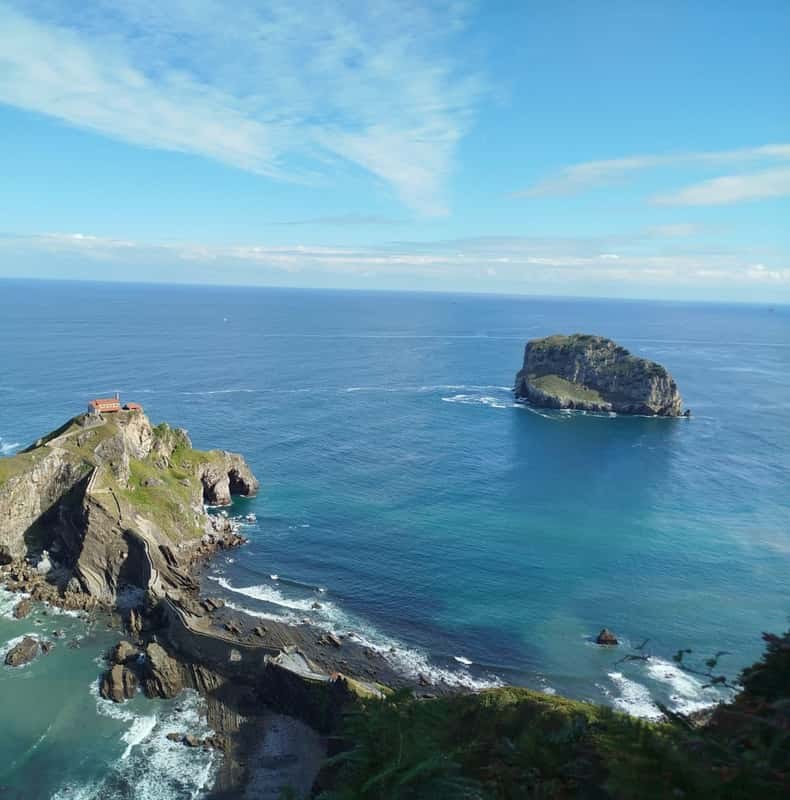
The ridge viewpoints give the whole picture on a level path, and a coast trip that stops there instead carries on to a working fishing port and a surf town, which is a better day for a small child than a staircase is. The guide to which trips cross the bridge sorts every option by exactly that, and the things to do page covers what the towns hold.
The one thing to book flexibly
Feeding everyone
There is nothing to buy between the roadside and the summit, so whatever you carry down is what you have. Up at the ridge there is a restaurant, and most guided days build in a stop somewhere with food afterwards.
Mundaka is the usual lunch stop on the six-hour trips and it is a good one for families: a small harbour, seafood, and somewhere for children to sit still for half an hour. Bermeo, on the longer coast days, has the same appeal with more boats to look at. The things to do page covers what each town holds.
Making the drive work
Forty minutes each way from Bilbao is short enough that most children barely notice it. From San Sebastian it is closer to an hour and three-quarters, and an eight-hour day is a long one for anybody under about ten.
- Bilbao departures keep the total day to between three and a half and six hours.
- Private transport means a stop if somebody needs one.
- Hotel pick-up removes a walk across a city at eight in the morning.
- Trips with a stroller-accessible vehicle and infant seats say so on the card.
The comparison of the two base cities goes through the trade-off properly.
Turning the climb into a game
The staircase counts itself, which is the easiest win available. Children who set out to verify 241 tend to arrive at the top too pleased with the arithmetic to notice the effort, and the disagreement about whether they miscounted lasts most of the walk back.
- Count the steps, then argue about the total on the way down.
- Spot the sea arch cut through the cliff to the right of the bridge.
- Find the tiled plaque of the saint beside the chapel door.
- Work out which of the boats below is heading for the fishing port.
- Ring the bell three times, and explain why to whoever is behind you.
The facts page has enough figures to keep an argument going the whole way back up to the road.
What the reviews say about family days
The pattern in traveller feedback is consistent and useful. Guides on the small-group trips get named for keeping children interested the whole way, and for being patient with slower walkers on the inclines. Nobody complains about the steps; several people mention the walk back up.
The other recurring note is the early start. Families who left first thing describe a quiet staircase and a child who was still cheerful at the top. Traveller reviews collect the full picture, criticism included.